Recent Posts
ASTM F3783: What the New Gym Equipment Inspection Standard Means for facility owners
Sep 16, 2026, 10:29:02 AM
The short version
In 2026, ASTM International published ASTM F3783-26, Standard Guide for Inspections and Maintenance of Permanently Installed Indoor Gymnasium Equipment. It is the first consensus document that tells gym owners and operators what overhead athletic equipment should be inspected, how often, by whom, and what records to keep.
Until now, there was no industry-wide answer to a question every athletic director eventually asks: "How do I know that a backstop over my students' head is safe?" Manufacturers each pushed their own owner's manuals, service intervals varied widely, and many facilities operated on the assumption that if the equipment still went up and down, it was fine. F3783 closes that gap.
What equipment it covers
The guide applies to permanently installed indoor gymnasium equipment, specifically:
-
Ceiling-suspended and wall-mounted basketball backstops - forward-fold, rear-fold, wall-mounted swing-up, and stationary units.
- Ceiling-suspended volleyball systems
- Gymnasium divider curtains - both fold-up and roll-up designs
- Wrestling mat lifting and storage systems (mat hoists)
- Similar overhead-mounted gym equipment, including indoor operable practice and batting cages
What these systems have in common is the reason the standard exists: they are mechanical assemblies weighing hundreds to thousands of pounds, suspended over occupied floor space, raised and lowered by cables, winches, and hoists, and operated daily by people who are not facility directors. A single backstop assembly can weigh well over a thousand pounds. A divider curtain spanning a full court is heavier than most people assume. When one of these fails, it does not fail gently.
The core requirements
Inspect at least annually. The baseline is one comprehensive inspection per year, with more frequent inspection in high-use environments. A high school gym running P.E. classes, three levels of basketball, volleyball, and weekend tournament rentals cycle its equipment far more than a small private club, and the guide expects inspection frequency to track actual use rather than the calendar alone.
Use a qualified manufacturer certified technician. Evaluations are to be performed by individuals with demonstrated knowledge of gymnasium equipment standards, construction, and operation. This is the requirement most facilities stumble upon. A building maintenance technician who is excellent with HVAC and plumbing has usually never been trained on winch wire rope inspection criteria, backstop safety strap function, or height adjuster interlock testing. The standard's implication is clear: this is specialized work.
Follow equipment-specific checklists. Rather than a single generic walkthrough, F3783 contemplates a distinct checklist for each equipment type, because the failure modes differ. Backstops have cable, pulley, winch, safety strap, and structural connection points. Divider curtains have drive tubes, couplers, curtain attachment hardware, and bottom-bar considerations. Mat hoists have their own load path entirely.
Document everything and keep it on site. All inspection findings and corrective actions must be recorded and retained at the facility. This is the sleeper requirement with the biggest downstream consequence, and it is worth understanding why (below).
Remove from service when warranted. Equipment found with deficiencies affecting safe operation is to be taken out of service until corrected, rather than run 'carefully" until someone gets around to the repair.
What typically gets found
An inspection performed to this standard is looking at the whole load path, not just whether the motor runs. Common findings include:
-
Wire rope degradation - broken wires, birdcaging, kinks, corrosion, or wear at the drum and sheave contact points. Cable does not fail without warning; it fails after months of visible warning that nobody looked for.
-
Missing or non-functional safety straps. ASTM F3731 (the companion backstop design guide published in December 2024) calls for a safety strap on every upward-folding backstop as a secondary restraint. A surprising number of older unites either never had one or had it removed during a past service call.
- Height adjuster interlocks that no longer positively engage, and clamps on vertical tubes missing positive lock or stop mechanisms.
- Loose or backed-out structural hardware. These systems vibrate every time they cycle. Fasteners migrate. Load-supporting hardware should meet Grade 5 / ASTM A449 / Class 8.8 minimums, and undersized or mismatched placement bolts from a past repair are recurring find.
- Winch and hoist condition - brake function, gear wear, limit switch setting, and whether a manual winch has been replaced with a drill-driven shortcut.
- Control station issues. Controls should be momentary-contact, requiring continuous operator engagement, and positioned so the operator has clear visual and audible awareness of the equipment while it moves. Taped-down buttons and blind-corner control locations are both common and both dangerous.
- Backboard and padding condition - cracked glass, delamination, and missing or degraded edge padding along the bottom and up the sides of the backboard.
- Structural attachment to the building - the ceiling or wall connections, which nobody sees from the floor and almost nobody checks.
Is compliance mandatory?
This is the question every facility manager asks next, and the honest answer has two parts.
Technically, no. F3783 is a Guide, which in ASTM's structure is advisory. It describes recommended practice rather than imposing pass/fail requirements, and ASTM standards are voluntary consensus documents. They carry the force of law only where a state, municipality, code body, or insurer adopts them by reference.
Practically, it matters a great deal. A published consensus standard establishes the standard of care. Once a nationally recognized body has stated that this equipment should be inspected annually by a qualified person and that records should be maintained, that becomes the benchmark against which a facility's conduct is measured after something goes wrong. An organization that cannot produce an inspection record is in a materially different position than one that can.
Expect this to show up in three places over the next few years:
1. Insurance. Carriers writing school district and recreation facility policy are already asking about bleacher inspection compliance; overhead equipment is the logical next line item on the loss control questionnaire.
2. Risk management policy. State school board associations, athletic associations, and district risk managers tend to adopt ASTM standards into internal policy well before any code requires it.
3. Litigation. Plaintiff's counsel will cite F3783 by designation. Documentation retained on site is the direct answer to that.
For context, this is the same trajectory bleacher safety followed after ICC 300 and the related ASTM work: voluntary at publication, effectively expected within a few years.
What owners and operators should do now
Build the equipment inventory. Most facilities do not have a written list of what overhead equipment they own, who the manufacturer is, who and when it was installed, and what service history it has. Start there - walk the gym and catalog every backstop, curtain, volleyball system, and mat hoist, with manufacturer and approximate age.
Schedule the annual inspection and anchor it to the calendar. The practical window for most schools is summer or early fall, ahead of the winter sports season, when the gym is available and any parts that need ordering have time to arrive before the equipment is needed.
Assess frequency honestly. If the facility hosts outside rentals, runs multiple programs, or cycle equipment daily, once a year is the floor and not the target.
Set up the record system before the first inspection. A binder or shared folder at the facility with inspection reports, corrective action records, parts replaced, and dates. It needs to be findable by someone who wasn't there when it was created.
Train the daily operators. A meaningful share of damage to this equipment comes from operation, not age - running a backstop into a raised curtain, cycling a unit with a person or ball cart underneath, overriding a limit. Inspection catches the consequences; operator training prevents them.
Fix what gets found. An inspection report documenting a deficiency that was never corrected is worse than no report at all.
How to get a copy
ASTM F3783-26 is available directly from ASTM International. It is a 14-page document, published under Subcommittee F08.69 (Commercially Installed Sports-Specific Equipment for Use in Public Venues) within Committee F08, and priced at $80. Facility owners who want to see the full recommended practice - rather than a summary of it - should buy the document. Its companion, ASTM F3731, Standard Guide for Ceiling Suspended and Wall Mounted Basketball Backstops, covers the design and construction side and is worth reading alongside it, particularly for anyone specifying new equipment. Additional work on gymnasium divider curtains is still in development at the subcommittee level.
Historic venues deserve a new chapter
Jun 26, 2026, 3:19:36 PM
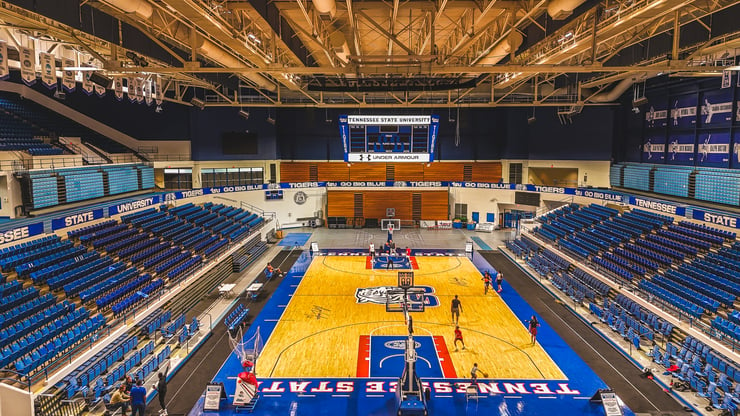
We're excited to share a look at the before photos of the iconic Gentry Center at Tennessee State University- a facility that has been home to Tiger basketball since 1980 and has welcomed generations of student-athletes, fans and unforgettable moments.
Toadvine Enterprises is proud to play a role in the next chapter of this historic arena by delivering a complete seating renovation:
- Demolition of the existing seating systems
- Installation of new Indoor Vision Chairs
- New telescopic bleacher systems
- New end zone mobile bleacher units
This project is about more than replacing seats - it's about preserving the legacy of one of Tennessee's most recognizable collegiate venues while creating a modern, comfortable, and flexible fan experience for years to come.
We look forward to sharing progress along the way and revealing the finished transformation.
Protecting Your Investment: A Practical guide to Bleacher maintenance for Kentucky parks & recreation facilities
Feb 27, 2026, 2:11:29 PM
Across Kentucky, parks and recreation departments serve as the front porch of the community. From youth baseball tournaments to community festivals and summer leagues, bleachers play a critical role in safely accommodating spectators.
Yet, bleachers are often one of the most overlooked assets in a facility maintenance program. Exposure to weather, heavy seasonal use, and deferred inspections can create safety risks and long-term repair costs. A proactive bleacher maintenance strategy not only protects your investment - it protects your community.
Why Bleacher Maintenance Matters
Bleachers are structural systems. They carry live loads, endure vibration, are frequently exposed to moisture, UV, and temperature swings.
Without regular inspection and upkeep, common issues can include:
-
Loose or missing fasteners
- Corrosion on steel frames or anchors
- Cracked welds or stressed connections
- Uneven settling or foundation shifting
- Missing guardrails or non-compliant features
Beyond performance concerns, safety and liability are significant considerations. Maintaining documented inspection and service records demonstrates due diligence and responsible facility management.
Recommended Inspection Frequency
A strong maintenance plan includes both routine internal checks and yearly professional evaluations.
Best Practice Guidelines:
-
Monthly visual walk-throughs during seasons
- Pre-season and post-season inspections for high-use facilities
- Annual comprehensive structural inspections by a qualified professional
- Immediate review after severe weather events
Facilities that host tournaments or large-scale events may require more frequent reviews due to heavier usage loads.
Key Areas to Evaluate
1. Structural Frame
Inspect steel components for corrosion, paint failure, or rust scale. Look for cracked welds, bent bracing, or loose anchor bolts at the concrete interface.
2. Aluminum Seating Planks
Check for plank deflection, loose connections, sharp edges, or surface damage. Ensure end caps and splice connections remain secure.
3. Fasteners & Hardware
Loose hardware is one of the most common - and most preventable - issues. Confirm all bolts, nuts, and clips are tight and manufacturer-approved replacements are used when needed.
4. Guardrails & Safety Components
Verify guardrails, mid-rails, and handrails are properly secured and meet current spacing requirements. Missing or modified components should be addressed immediately.
5. Foundations & Anchoring
Kentucky's shifting soils and freeze-thaw cycles can impact footings. Look for cracking, separation, or movement at base plates and anchoring points.
Cleaning & Preventative Care
Routine cleaning extends the life of bleacher systems and improves appearance for guests.
-
Remove debris and organic buildup that traps moisture
- Use mild detergent and water for aluminum planks
- Avoid harsh chemical cleaners that may damage finishes
Preventative maintenance is significantly more cost-effective than structural rehabilitation.
When to Repair vs. Replace
Older systems may still be structurally sound but no longer meet current safety codes or accessibility standards. Key indicators that it may be times to evaluate replacement include:
-
Extensive corrosion or compromised structural members
- Non-compliance with current building or safety standards
- Repeated repair costs exceeding long-term upgrade value
- Expansion needs due to growing program attendance
A phased upgrade plan can help can departments budget responsibly while improving safety and user experience.
Documentation & Risk Management
Maintaining inspection logs, repair records, and service documentation is essential. Clear records:
-
Support risk mitigation efforts
- Assist with insurance requirements
- Help justify capital improvements funding
- Demonstrate proactive facility stewardship to boards and city leadership
Supporting Kentucky Communities
Bleachers are more than aluminum and steel- they are gathering spaces for families, athletes, and entire communities. Ensuring those spaces remain safe, compliant, and welcoming requires more than occasional repairs; it requires a structured, proactive maintenance strategy.
Toadvine Enterprises partners with Kentucky Parks & Recreation departments to help implement a proactive bleacher maintenance strategy. Under applicable building and safety codes, bleacher systems are required to be inspected annually by a certified professional to verify structural integrity, code compliance, and overall spectator safety.
From scheduled inspections and detailed condition assessments to compliance documentation and long-term repair planning, our team works alongside facility managers to identify minor deficiencies before they develop into costly structural concerns or safety liabilities.
Whether your goal is meeting annual code requirements, extending the service life of an existing systems, or planning for future replacement, Toadvine provides experienced, facility-focused support to protect your investment - and the communities you serve.
Is your gym ready for the new shot clock era?
Sep 25, 2025, 9:46:51 AM
The Kentucky High School Athletic Association has officially approved the implementation of a 35-second shot clock, beginning with the 2027-2028 basketball season. This change is a major step forward for Kentucky High School Basketball and will require every gym to be equipped with compliant, reliable shot clocks.
At Toadvine Enterprises, we specialize in the sale, installation, and service of shot clock systems built to meet KHSAA's requirements. With decades of experience upgrading gymnasiums across Kentucky, we'll ensure your facility is game-ready well before the first tip-off.
What We Provide
- KHSAA - compliant shot clock systems
- Professional installation and integration
- Parts & Maintenance
We're proud to support Kentucky schools in creating the best possible game-day experience.
Let's get your gym ready for the shot clock era. Contact us today about KHSAA - compliant shot clocks.
Breaking Ground at EKU Alumni Coliseum: A New Chapter Begins
Aug 19, 2025, 2:01:11 PM
The next chapter in Eastern Kentucky University athletics is officially underway! The Toadvine crew has broken ground on the renovation of Alumni Coliseum, a project designed to elevate the game-day experience for Colonels fans and strengthen the heartbeat of EKU's athletic community.
This latest phase of work reflects a major investment in the future of EKU's facilities. Alumni Coliseum has long been a cornerstone for student-athletes, fans, and the broader university community - and these upgrades will ensure it continues to serve as a top-tier venue for years to come.
At Toadvine Enterprises, we're proud to partner with EKU on this transformation. Our team is committed to delivering an environment that inspire athletes, excites fans, and showcases the university's dedication to excellence both on and off the court.
This is just the beginning. Stay tuned as we bring this vision to life and celebrate the finished product - a space that will enhance the Colonel experience for generations to come.
Waggener High School Press Box
Aug 1, 2025, 1:48:00 PM
This week, the Toadvine Enterprises team successfully set the brand-new press box atop Waggener's home-side bleachers, marking a major milestone in the school's ongoing athletic facility improvements. The sleek, modern press box is more than just a structure - it's a symbol of the school's commitment to upgrading the game-day experience for fans, coaches, and student-athletes alike.
As with every project we take on, this installation was a carefully coordinated effort. From logistics planning and crane coordination to safety inspections and on-site execution, our experienced team ensured that everything went off without a hitch. The result? A top-tier press box with clear sightlines, climate-controlled interior, and space designed to accommodate media, announcers, and coaching staff - ready to elevate Waggener's home games for years to come.
Waggener's investment in its athletic infrastructure reflects a broader trend we're seeing across Kentucky and beyond: schools stepping up to create safe, functional, and fan-friendly environments that instill pride in their communities. We're proud to be a trusted partner in that journey.
Toadvine Enterprises specializes in full-service athletic facility enhancement - from bleachers and press boxes to scoreboards, gym equipment, and more. Whether you're planning a full renovation or just need a reliable partner for upgrades and maintenance, we're here to help bring your vision to life.
Transforming Spaces, Earning Recognition!
Jul 31, 2025, 2:15:02 PM
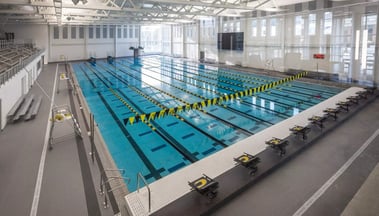
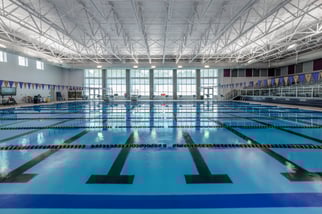
When schools invest in their facilities, they're investing in their communities. That's why we're proud to share that Centre College's natatorium and Bowling Green High School's football stadium and natatorium were recently honored with the 2025 Build Kentucky Award - a recognition reserved for projects that truly make an impact.
These projects reflect what's possible when great design, strategic planning, and expert execution come together.
We were proud to partner with Dant Clayton Corporation on these builds, delivering athletic spaces that inspire pride and performance. These outcomes wouldn't have been possible without the commitment and collaboration of the project architects, builders, and educational leaders.
A Grand Opening to Rember: The OmniPlex Ushers in a New Era for Cullman
Jul 28, 2025, 1:13:15 PM
Cullman, Alabama celebrated a major milestone last Friday, July 25th, with the official grand opening of The Omniplex - a cutting-edge athletic and recreational facility that's already redefining what community sports can look like.
Developed with vision, purpose, and an unwavering commitment to excellence, The Omniplex is more than a new complex - its transformative space designed to serve everyone from local youth leagues to elite-level athletes. At the heart of its success was a strategic partnership with Toadvine Enterprises, where our role went far beyond simply providing athletic equipment.
"Toadvine understood from day on that The Omniplex needed to be more than functional - it needed to be exceptional," said Kyle Clark, Director of Operations at Cullman City Parks & Recreation. "Their expertise in creating venues that can seamlessly transition from community recreation to world-class competition was exactly what we needed. They didn't just install equipment; they helped us create an experience. When you're hosting events that could determine college scholarships or championship titles, you need partners who understand that every detail matters."
From the indoor courts to the state-of-the art seating and scoreboards, every element of The Omniplex was curated with the end-user in mind. Toadvine worked closely with the Cullman City Parks & Recreation team to ensure the facility would exceed expectation-not only for day-to-day use but for the high0stakes events it's already beginning to attract.
The grand opening event brought together local leaders, athletes, families, and members of the community who were among the first to experience the space in action. The buzz of excitement was palpable, and it was clear to everyone in attendance: The Omniplex isn't just a venue-it's a game - changer.
Toadvine Enterprises is proud to have played a part in helping Cullman bring this vision to life. We believe that great facilities inspire great performances, and the Omniplex is poised to do just that for years to come.
Construction Update: Nashville Collegiate Prep
Jul 11, 2025, 10:42:57 AM
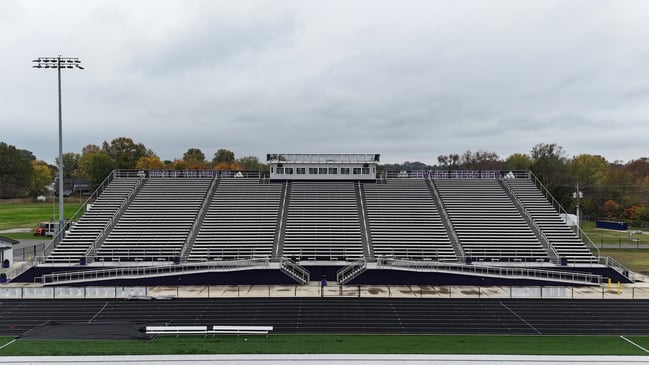
Toadvine is currently on-site installing a brand-new Home Side Football Grandstand - an exciting addition that marks a major step forward in the school's athletic facility upgrades.
This project reflects NCP's commitment to providing top-tier resources for its student-athletes and fans, and we're proud to be part of the process. These new grandstands will enhance the game-day experience for the entire NCP community while supporting the school's vision for long-term athletic excellence.
Construction Update - Houston High School | Germantown, TN
Jul 11, 2025, 10:31:56 AM
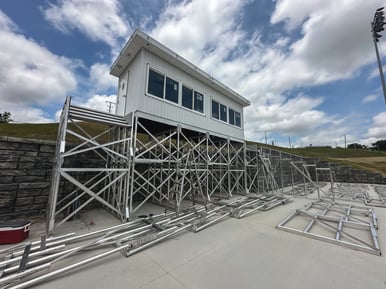
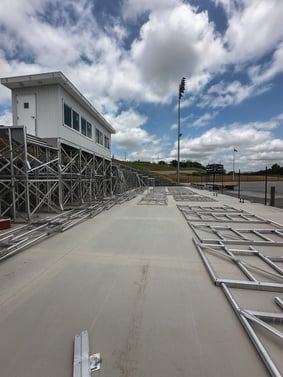
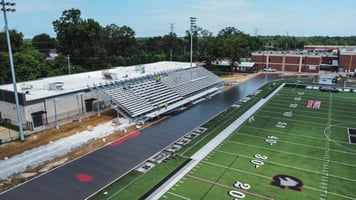
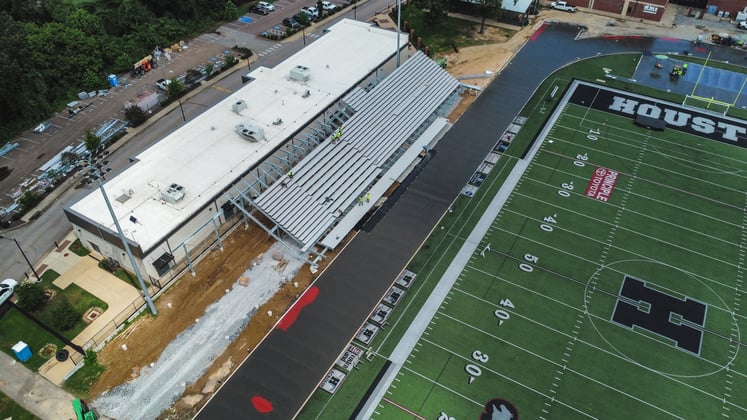
Exciting progress is unfolding at Houston High School in Germantown, Tennessee, where our Toadvine team is hard at work bringing a major facilities upgrade to life.
The project includes the installation of brand-new home side bleachers and a modern press box - both key components of a cutting-edge I-Beam grandstand structure. This significant enhancement marks a big step forward for Houston High's athletic program and is set to dramatically improve the game-day experience for Mustangs fans, student-athletes, and the entire Germantown community.
With safety, comfort, and school pride in mind, this investment underscores the district's commitment to creating first-class athletic facilities for current and future generation. We're proud to play a part in helping Houston High School raise the bar-and the bleachers-for Friday nights under the lights.





Add Comment